
8301 Imperial Hwy, Downey CA 90242
How 3D Scanning Improved Invisalign Treatment


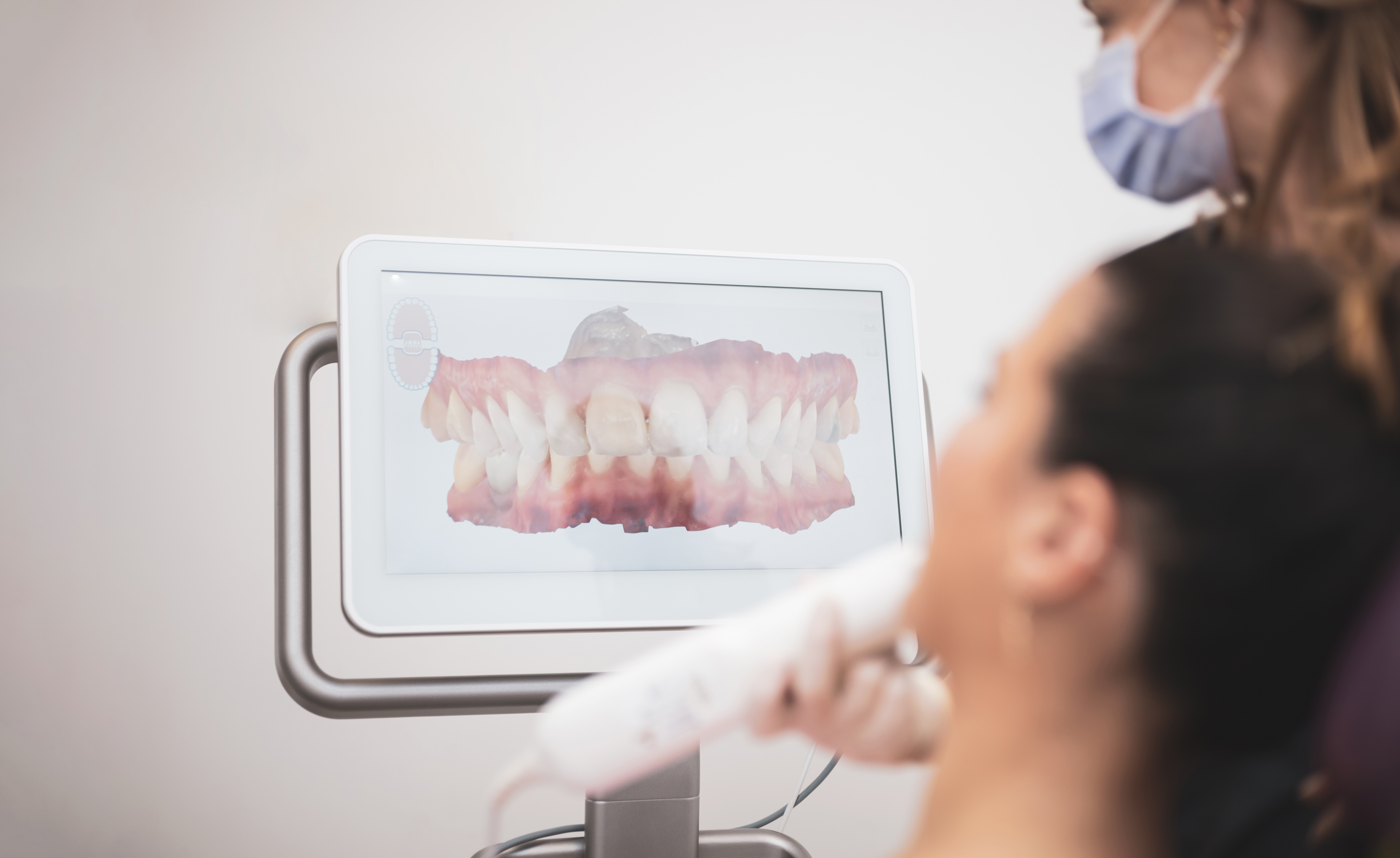
Invisalign treatment has changed the way many patients approach orthodontic care. Instead of brackets and wires, Invisalign uses a series of clear aligners that gradually guide teeth into better alignment. For patients in Downey, CA, one of the most important improvements in this process is the use of 3D scanning.
3D scanning helps create a detailed digital image of the teeth, giving the orthodontic team a clearer view of the patient’s bite, spacing, crowding, and overall alignment. This technology has made Invisalign treatment more precise, more comfortable, and easier to plan from the beginning.
Why 3D Scanning Matters For Invisalign
Traditional impressions often required patients to bite into trays filled with putty-like material. While effective, the process could feel uncomfortable for some patients and did not always provide the same level of digital detail.
With 3D scanning, orthodontists can capture a highly accurate digital model of the teeth without messy impressions. For Invisalign patients in Downey, this helps create a smoother experience during the consultation and treatment planning process.
The digital scan can be used to evaluate how the teeth currently fit together and how they may need to move over time. This allows the orthodontist to design a personalized Invisalign plan based on the patient’s unique smile and bite.
Benefits Of 3D Scanning During Invisalign Treatment
A detailed digital scan supports several important parts of Invisalign treatment, including planning, aligner design, and progress tracking. It can help improve the overall patient experience by making the process more visual and efficient.
Some benefits of 3D scanning for Invisalign include:
- A more comfortable alternative to traditional impressions
- Detailed digital images for treatment planning
- Better visualization of tooth movement
- Custom aligners designed to fit the patient’s teeth
- Easier progress monitoring throughout treatment
For patients in Downey, CA, considering Invisalign, this technology can make the process feel more modern, streamlined, and easier to understand.
How Digital Scans Help Create Custom Aligners
Invisalign aligners are made to fit each patient’s teeth at different stages of treatment. The 3D scan provides the digital information needed to create these aligners with precision.
Once the scan is completed, the orthodontist can use the digital model to plan the sequence of tooth movement. Each set of aligners is designed to apply gentle pressure in specific areas, helping guide the teeth into better alignment over time.
This level of customization is one reason Invisalign treatment can be a good option for many teens and adults in Downey who want a more discreet way to straighten their teeth.
A Clearer View Of Your Invisalign Plan
Another advantage of 3D scanning is that it can help patients better understand their treatment. Seeing a digital image of the teeth can make it easier to visualize current alignment concerns and the goals of Invisalign treatment.
During an Invisalign consultation, patients can ask questions about their bite, spacing, crowding, and expected process. This helps create a more informed experience and allows the orthodontic team to explain each step clearly.
Invisalign Treatment Designed Around Your Smile
Every smile is different, which is why Invisalign treatment should be carefully planned. 3D scanning gives the orthodontist detailed information that supports a more personalized approach. For patients in Downey, this means treatment can be designed around their specific teeth, bite, and smile goals.
Invisalign still requires patient commitment. Aligners need to be worn as directed, usually for most of the day, and removed for eating, brushing, and flossing. With accurate digital planning and consistent wear, many patients can enjoy a more convenient and discreet orthodontic experience.
To learn more about Invisalign treatment, schedule a consult at Ofir Orthodontics in Downey, CA by calling (562) 396-9820.


MAP
Powered by: 